Pink Rose: A Versatile Display Font for Editorial Design
What Is Pink Rose?
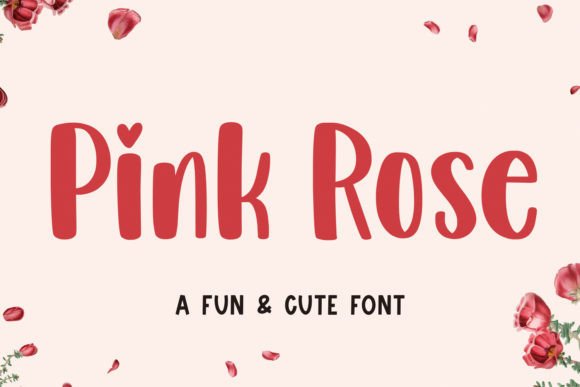
Pink Rose is a fun and cute display font that brings a touch of charm and personality to any design project. Its soft, rounded curves and delicate strokes create a whimsical yet elegant look that can enhance the visual tone of your content. As a display font, it's ideal for creating eye-catching headlines, engaging pull quotes, and attention-grabbing cover designs.
Why Choose Pink Rose for Your Editorial Projects
When selecting fonts for editorial work, it's important to consider both aesthetics and functionality. Pink Rose excels in balancing these two aspects. Its playful style adds character without overwhelming the reader, making it a great choice for a wide range of content types.
The font’s unique personality makes it particularly well-suited for lifestyle blogs, creative publications, and branding materials. Whether you're designing a print magazine or a digital newsletter, Pink Rose can help set the right tone for your audience.
Where to Use Pink Rose in Your Design Workflow
Pink Rose shines in areas where visual impact is key. Here are some practical applications:
- Blog Headers: Use Pink Rose for your blog title to make it stand out and create an inviting first impression.
- Magazine Covers: The font’s elegance and charm make it perfect for cover text that needs to catch the eye.
- Ebook Titles: Add a touch of sophistication to your ebook covers with this versatile display font.
- Newsletter Graphics: Incorporate Pink Rose into pull quotes or section headings to break up text and add visual interest.
- Quote Layouts: This font works beautifully for highlighting quotes in articles or social media posts.
- Printable Guides: Use Pink Rose for chapter openers or page headers to maintain consistency across your printable content.
- Content Branding: Incorporate Pink Rose into your brand identity for logos, social media graphics, and promotional materials.
Supporting Visual Hierarchy and Reader Engagement
Visual hierarchy is crucial in editorial design, and Pink Rose can play a significant role in guiding the reader’s attention. By using this font for titles and headings, you can create a clear structure that helps readers navigate your content more easily.
Its soft, flowing style also supports a friendly and approachable tone, which is especially effective in content aimed at younger audiences or those looking for inspiration. Whether you're crafting a lifestyle blog or a wedding guide, Pink Rose can help shape the mood and atmosphere of your publication.
Readability Considerations
While Pink Rose is primarily a display font, it’s important to consider its readability in different formats. For screen reading, ensure that the font size is large enough to be legible on mobile devices. When exporting to PDF, test the font rendering to avoid any unexpected formatting issues.
For print layouts, Pink Rose maintains its charm and clarity, making it suitable for both covers and interior pages. However, it's best used sparingly in body copy to maintain readability. Pair it with a clean sans serif or serif font for longer passages to ensure a balanced typographic experience.
Font Pairing for Editorial Use
When pairing fonts for editorial design, it's essential to balance contrast and harmony. Pink Rose works well with readable serif or sans serif fonts for body copy. For example, pairing it with a classic serif like Times New Roman or a modern sans serif like Helvetica can create a visually appealing and functional layout.
In caption text or navigation elements, a clean sans serif font such as Arial or Montserrat can complement Pink Rose while maintaining a professional look. This combination ensures that your content remains both stylish and easy to read.
Commercial Licensing and Practical Use
If you're using Pink Rose for commercial projects, be sure to check the licensing terms. This font is suitable for ebooks, templates, printables, paid newsletters, client publications, and digital downloads. It's an excellent asset for content creators who need a reliable and versatile font for their design toolkit.
Additionally, consider whether the font includes styles, alternates, ligatures, weights, and multilingual support. These features can enhance the font’s versatility and expand its use cases in global publishing efforts.
Conclusion
Pink Rose is more than just a display font—it’s a powerful tool for editorial designers and content creators. With its charming style and adaptability, it can elevate your publications, engage your audience, and support your brand identity. Whether you're working on a lifestyle blog, a recipe ebook, or a digital magazine, Pink Rose has the potential to transform your design workflow and make your content stand out.